No Eye Contact, Extra Custard: How the Order Screen Became Britain's Confession Booth
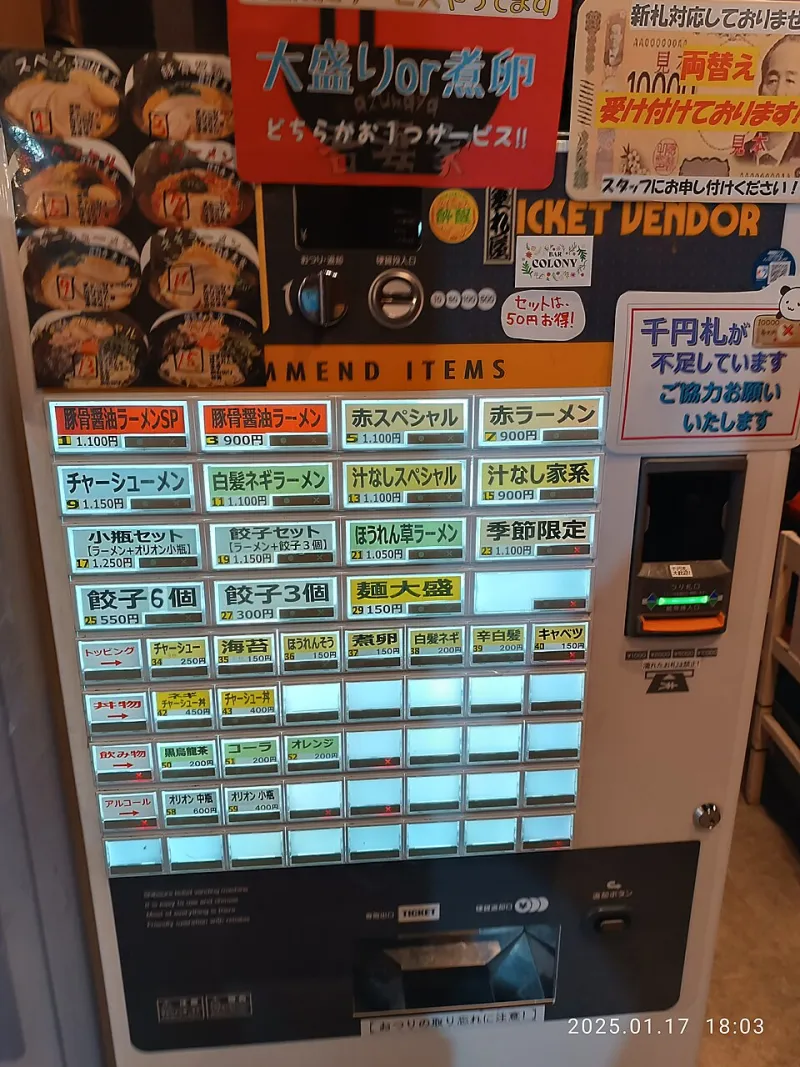
Photo: Naha Mama Pavilionz, CC0, via Wikimedia Commons
There's a moment, familiar to anyone who's ever propped up the pink-flocked banquettes of a Wetherspoons on a Tuesday afternoon, when the app becomes something more than a menu.
You know the drill. You sit down. You scan the QR code or prod the little pint glass icon. And then, freed from the spectre of a human being judging your choices, you order things you would never order out loud.
The Shame-Free Pudding Is Real, and It's Glorious
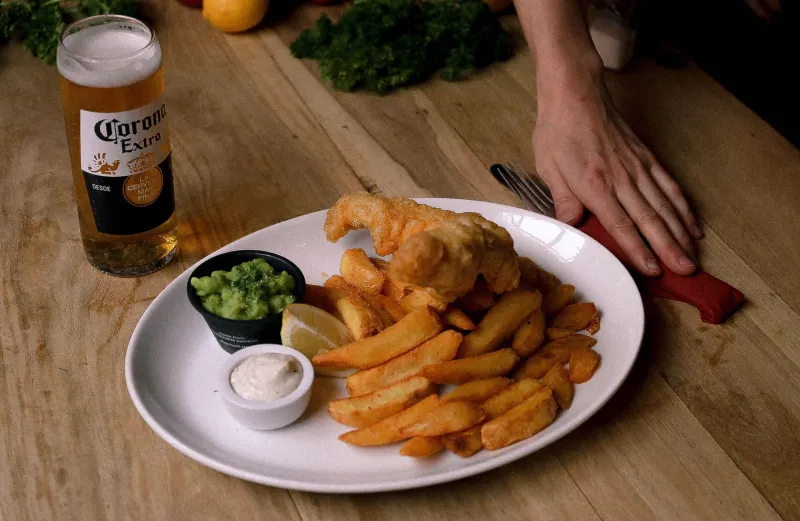
Ask anyone who works in a big chain pub and they'll tell you: desserts went up when the apps went in. Not marginally. Noticeably.
It makes sense when you think about it. Saying "and a sticky toffee pudding with custard" to a person — a real, living person with opinions and eyes — after you've already demolished a mixed grill? That takes a certain kind of confidence. Tapping it onto a screen at 8:47pm while watching the racing? No witnesses, no judgement, no negotiation.
The same goes for the double side of peri-peri chips, the second round bought at 9:55pm to beat last orders, the cheeky garlic bread upgrade. The app doesn't sigh. The app doesn't do the little pause that says "really?" The app simply accepts.
Psychologists have a term for this — the online disinhibition effect, usually applied to people being horrible on Twitter. Turns out it works for pudding too. Remove the human, and the id orders the banoffee pie.
A Whole Generation Learned to Drink Via Push Notification
It's worth remembering how recent this all is. Table service apps were around before 2020, but the pandemic supercharged them. Suddenly every pub from Carlisle to Carlisle Beach (there isn't one, but you know) had a QR code laminated to the table.
And a generation of drinkers came of age never having to catch a barperson's attention, never having to do the apologetic wave, never having to know the sacred choreography of the busy Friday night bar — money on the wood, eye contact, the nod.
Is that a loss? Partly. There was a romance to the old ways, a small social competence you earned. But there was also the terror of being systematically ignored while a man who arrived after you got served because he knew the barperson's dog's name.
The app doesn't play favourites. The app is democracy in a pint glass.
What We Order When Nobody's Watching
We did some entirely unscientific polling of friends, family, and one very chatty assistant manager in a Leeds Spoon's, and the pattern is consistent:
- Round sizes have grown. Nobody wants to do the walk of shame back to the till for the round they forgot. One tap, sorted.
- The 'just one more' order is king. Last orders used to be a hard stop. Now it's a countdown timer, and there's nothing like a ticking clock to make a double Baileys feel inevitable.
- Customisation has gone feral. No ice, extra ice, sauce on the side, sauce on everything — people specify things to a screen they'd never dare say to a face.
Liberation or Loss? Yes.
The honest answer is both. We've traded a bit of pub theatre for a lot of convenience, and we've gained orders we actually want instead of orders we could say out loud without blushing.
The therapists among us might argue that hiding behind a screen is avoidance. But honestly? If the alternative is making eye contact with a stranger while ordering a large glass of rosé and a jam roly-poly at half nine on a Wednesday, we'll take the screen.
The app knows. The app doesn't judge. And at £3.29 for a dessert you'd never order aloud, that's cheaper than therapy anyway.