Baggage Claim: How Britain Learned to Stop Worrying and Pay the 5p
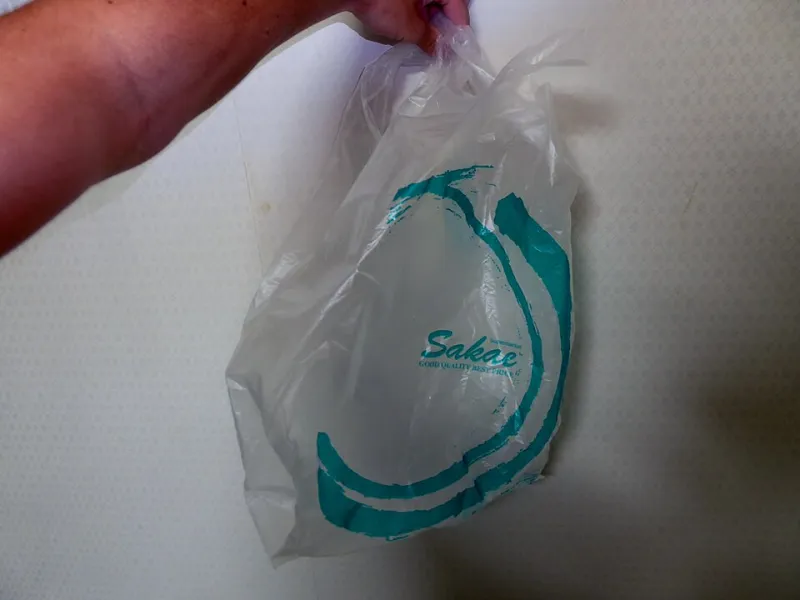
Photo: Tokumeigakarinoaoshima, CC0, via Wikimedia Commons
Cast your mind back to a simpler time. October 2015. The nation, unified in outrage over one thing: having to pay five pence for a plastic bag at the till.
People were furious. Genuinely, properly furious. There were letters to local papers. There were think pieces. There was at least one heated debate in every queue in the country about how this was "the thin end of the wedge."
And then, within about eleven days, everyone just... paid it. The wedge indeed.
The Charge That Rewired a Nation
Here's the thing about the bag charge: it worked, in every sense. Plastic bag usage collapsed by over 90% in the big supermarkets. Marine litter dropped. And a nation of shoppers developed a new instinct — the panicked pat of the pockets, the "have you got a bag?" whispered between partners, the boot-of-the-car emergency bag economy that now sustains millions.
But it also did something else. It normalised the micro-charge. The small, specific fee for a small, specific thing. And once that door was open, the fees came flooding through.
A Field Guide to the Modern Micro-Charge
Walk through any British high street today and you'll encounter a whole ecosystem of tiddly charges:
- The oat milk surcharge (40–80p). The tax on virtue. We grumble, we pay, we tell ourselves the barista agrees with us about dairy.
- The delivery fee, the service fee, and the small order fee. The takeaway app trifecta. That £12 order is somehow £23.70, and we've all just accepted the maths.
- The card minimum. Technically illegal-ish in spirit, still defended by every corner shop with a handwritten sign.
- The 'booking fee' for a table. Paying for the privilege of possibly eating. A bold frontier.
Each one provoked its own miniature moral crisis. Each one was absorbed within weeks. We are, it turns out, a nation with a very short outrage shelf-life and a very long grudge memory — we'll pay the 5p, but we'll remember the 5p.
The Charges We Revolted Against
Not every fee survived. Remember when airlines tried charging for hand luggage on basic fares and the tabloids went to war? Remember the great contactless surcharge panic of the mid-2010s, ended by regulation before it properly took root?
Brits will accept a charge when it comes with a story — the environment, the convenience, the driver's livelihood. We revolt when it feels like a bait-and-switch. The price on the menu must be roughly the price on the bill, or the pitchforks (metaphorical, £4.99 plus booking fee) come out.
The Next One: Our Prediction
So what tips us over the edge next? Our money is on the sauce charge.
It's already creeping in — 30p for a pot of mayo at some chicken shops, 25p for ketchup at certain burger joints. Unlike the bag, it feels personal. The bag was abstract; the sauce is your dinner. And unlike oat milk, there's no virtuous escape — you're just paying extra for the same chips your dad got free in 1997.
Mark our words: the day a national chain charges for ketchup without blinking is the day the letters pages fill up again.
Until then, keep a bag in the car, budget for the oat milk, and hoard those sauce sachets like the precious currency they're about to become.