Ditch the Sachet: The Independent Food Traders Making Their Own Sauces and Meaning It

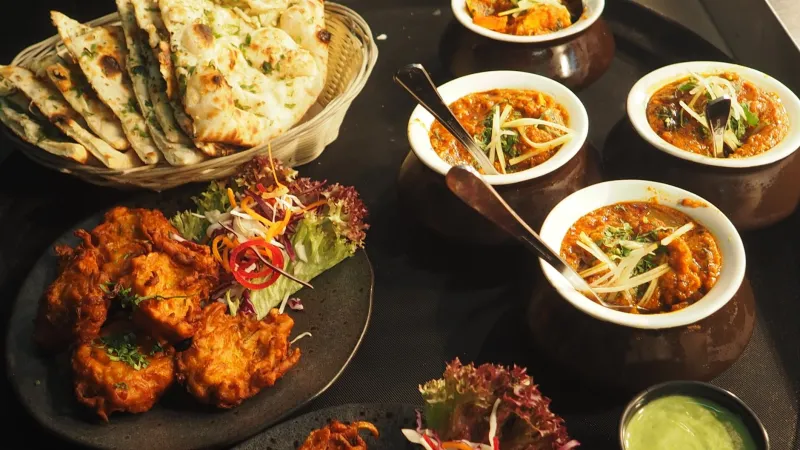
Photo: independent street food vendor homemade sauce bottles market stall UK, via c8.alamy.com
You know the sachet. You've squeezed it over chips at a service station, torn it open at a fast food counter, and watched it land in a thin, watery stripe across something that deserved better. The sauce packet is not evil, exactly. It is merely the physical embodiment of a philosophy that says: this condiment is an afterthought. It is here because something had to be here. It costs less than a penny and it shows.
But something is shifting. Across the market stalls and street food pitches of Britain — in the weekend farmers' markets, the covered arcades, the pop-ups squeezed between charity shops in post-industrial town centres — a different attitude to sauce is taking hold. Independent traders are making their own. Not from a recipe card downloaded at 2am, but from genuine obsession, regional identity, and a mounting frustration with the beige uniformity of mass-produced condiments.
This is the sauce rebellion. And it is, quietly, one of the most interesting things happening in British food right now.
The Problem with Industrial Packets
Before we get to the good stuff, it's worth naming what's actually wrong with the sachet economy. It's not just taste — though that's part of it. It's the message.
When a food vendor hands you a packet of branded sauce alongside something they've spent time and care preparing, there's a disconnect. The main event might be brilliant — properly spiced, locally sourced, made with genuine skill — and then it's paired with a condiment produced in a factory somewhere that tastes identical to the one you'd get at a motorway McDonald's. It undercuts everything. It says: we thought about the food, but not quite all the way.
For a generation of traders who've built their identity around being different from the chains, the branded sachet has started to feel like a contradiction they can no longer live with.
The Hot Sauce Makers
The most visible front of this rebellion is the independent hot sauce scene, which has exploded over the past five years in a way that nobody entirely predicted. British palates, long mocked for their timidity around heat, have apparently decided they were ready — and the country's small-batch sauce makers have been delighted to oblige.
In Bristol, you'll find traders whose sauces are built around locally grown chillies and fermented over weeks before they reach your chips. In Manchester's Northern Quarter market, there are vendors whose signature chilli oils have become the thing people come back for specifically — not the main dish, the oil. In Birmingham's street food scene, a Brummie-Jamaican fusion trader has created a scotch bonnet and tamarind sauce that's been copied so many times he's stopped being flattered and started being annoyed.
What these makers share is a refusal to compete on the terms set by industrial condiment producers. They're not trying to make something that tastes like a familiar brand but slightly better. They're making something that couldn't exist at scale — something tied to a specific place, a specific set of ingredients, a specific set of decisions made by a person with an actual opinion about flavour.
The Chip Shop Mavericks
If the hot sauce scene is the glamorous end of this movement, the chip shop end is where it gets properly interesting. Because chip shops don't usually get credit for culinary ambition, and yet some of the most distinctive sauce work happening in Britain right now is coming from independent chippies who've decided that their curry sauce, their mushy peas, or their gravy deserves the same attention as anything else on the menu.
A small number of chip shop owners — particularly in the North East and Yorkshire, where the chip shop occupies a near-sacred cultural position — have started making their own curry sauce from scratch, building recipes over years, adjusting spice levels to suit their specific customer base, and treating it as seriously as a restaurant would treat a signature dish. The results are genuinely different from the powder-and-water versions that most of the trade relies on, and the regulars notice.
One owner in Hartlepool described the shift as "just deciding to care about the whole plate, not just the fish." That's a simple idea. It's remarkable how rarely it's applied.
Why This Matters Beyond the Taste
The sauce rebellion is significant for reasons that go beyond the obvious food quality argument. It's about what independent food culture is actually for.
The street food and market vendor scene in Britain built its identity on being the anti-chain: more interesting, more personal, more willing to take risks. For a while, that identity was sustained mostly by the main dishes — the creative fillings, the unusual proteins, the fusion combinations that the high street hadn't caught up with yet. But chains catch up. They always do. They have the resources to identify trends, replicate them at scale, and undercut on price.
What they can't replicate is the specific. The sauce made by a person who grew up eating a particular regional version of something and spent three years getting their own version right. The chilli oil that uses a variety of pepper only available from one farm in Lancashire. The brown sauce variant that a chip shop owner developed because his grandmother's recipe was better than anything he'd ever bought, and he finally decided to prove it.
Specificity is the independent trader's only true competitive advantage. And sauce, it turns out, is one of the most powerful ways to express it.
What the Chains Still Don't Get
Some larger operators have noticed the trend and attempted to respond. You'll see "house sauce" appearing on menus at fast-casual chains, branded bottles on tables that suggest something artisanal, limited-edition collaborations with small producers that last a quarter and then disappear. It's not nothing. But it's also not the point.
The point isn't having a sauce with a story attached. It's having a sauce that is genuinely the result of someone caring deeply about what it tastes like — and being willing to keep adjusting it, refining it, making it better, because their name is on it and they can't hide behind a brand.
The sachet is anonymous. That's its fundamental failure. Nobody made it. Nobody cares if it's good. It exists to satisfy a minimum requirement and nothing more.
The traders making their own sauces are doing the opposite. They're putting themselves in the bottle. And if you've ever tasted the difference, you already know there's no going back.
Where to Start
If you want to find this stuff — and you should — the obvious places are weekend food markets, street food festivals, and the growing number of independent delis that stock small-batch British condiments alongside their cheese and charcuterie. Look for the vendors who can tell you exactly what's in their sauce and why. The ones who have an opinion about their own product. The ones who'll let you taste before you commit.
They're out there. And they're done with the sachet.